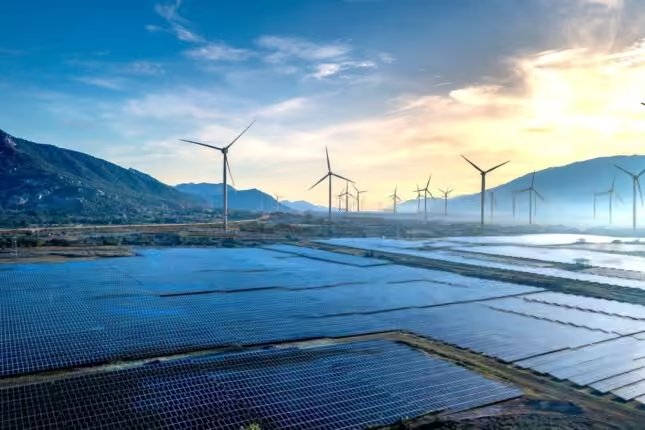
The number of major corporate insolvencies remained high in the third quarter of 2026. This trend is now particularly evident in sectors that are important to the expansion of renewable energy. Solar companies, battery manufacturers and providers of energy storage systems are increasingly affected.
More Than 100 Major Insolvencies in the Third Quarter
In the third quarter of 2026, 103 companies, each with annual revenue of more than EUR 10 million, filed an application for the opening of insolvency proceedings. This is shown by the Falkensteg Insolvency Report, which analyses corporate insolvencies.
This means that the number of major insolvencies has exceeded 100 cases for the third consecutive quarter.
Compared with the second quarter of 2026, for which the current report identifies 106 cases, the number declined by just under 3 percent. In the third quarter of 2025, 125 applications had been recorded. This represents a decline of 18 percent compared with that period.
Despite the decline, insolvency activity remains significantly above its longer-term level. The average over the past five years is 77 proceedings per quarter. The current figure exceeds this benchmark by approximately one third.
Development Since the Beginning of the Year
A total of 313 major insolvencies were recorded in the first nine months of 2026. In the corresponding period of the previous year, there were 341 cases. This represents a decline of just over 8 percent.
According to the assessment in the Insolvency Report, the record level of 485 applications in 2025 is unlikely to be reached again in 2026. Nevertheless, the trend remains far removed from the figures recorded before the Covid-19 pandemic: in both 2018 and 2019, fewer than 200 applications were registered for the entire year.
The Falkensteg Report therefore does not interpret the decline compared with 2025 as a sign of a general easing of the situation. Instead, a level of approximately 100 major insolvencies per quarter is emerging, which is significantly above the long-term average.
Electrical Engineering and Energy Sectors Particularly Affected
In addition to the persistently high overall number, the distribution across individual sectors has changed. Electrical engineering recorded the highest number of cases in the third quarter of 2026, replacing the fabricated metal products sector at the top of the ranking.
Eighteen proceedings were recorded in the electrical engineering sector. There had been ten in the previous quarter. The current figure is 2.7 times the average quarterly figure over the past five years.
The energy sector ranks second with 14 proceedings. In the second quarter of 2026, only three cases had been attributed to this sector. The increase was driven in particular by insolvencies involving companies in the solar, battery and energy storage industries. Several major cases were attributed to both electrical engineering and the energy sector.
Composition of Solar and Energy Storage Cases
The Insolvency Report records ten cases in the solar and energy storage sector. They involve various business models:
-
Four cases involved companies that develop solar and wind farms.
-
Three proceedings involved manufacturers of batteries and energy storage systems.
-
Three further cases involved installation and trading companies.
Companies with high revenues are also affected. Two of the companies concerned each reported consolidated revenue of more than EUR 750 million. This shows that the trend affects not only smaller market participants but also companies generating substantial revenues.
Fewer Completed Proceedings and Lower Business Continuation Rate
In addition to the number of new insolvency applications, the analysis provides information on the outcomes of proceedings that have already been processed. Sixty-eight proceedings were completed in the third quarter of 2026. According to Falkensteg’s survey, this is the lowest figure since mid-2024.
At the same time, the business continuation rate declined compared with the previous quarter. While it had stood at 64 percent in that quarter, it reached only 56 percent in the third quarter of 2026.
These figures accompany the persistently high number of newly initiated proceedings. Although the number of major insolvencies has declined compared with the record year of 2025, the economic strain therefore remains considerable. At the same time, the greater impact on the solar, battery and energy storage industries shows that insolvency activity has shifted to additional sectors.
Legal Assessment of Restructuring and Insolvency
Major insolvencies may raise a wide range of issues under insolvency and corporate law. This applies in particular where complex corporate structures, ongoing financing arrangements, equity interests and contractual relationships with suppliers, customers and other business partners are involved. The resulting legal implications always depend on the circumstances of the individual case.
MTR Legal Rechtsanwälte advises companies, investors and high-net-worth individuals on related matters. Further information is available to interested parties under legal advice on insolvency law.