


Establish a gGmbH – Non-Profit Status, Articles of Association & Tax Law for Regensburg
Establish a gGmbH – Non-Profit Status, Articles of Association & Tax Law for Regensburg


Establishing a gGmbH in Regensburg: Legally Secure Setup
Regensburg entrepreneurs and clients trust MTR Legal
In Regensburg, a significant industrial hub with strong sectors like automotive and electrical engineering, nonprofit initiatives are gaining importance. For entrepreneurs and founders looking to establish a nonprofit GmbH (gGmbH) for social, cultural, or educational purposes in this UNESCO World Heritage city, legal requirements are crucial. Meeting the correct statutory requirements and securing nonprofit status are essential steps to gain tax recognition. These challenges are relevant for many Regensburg entrepreneurs who wish to take on social responsibility while overcoming tax hurdles.
MTR Legal in Regensburg offers comprehensive support for founders looking to establish a gGmbH. As a law firm with extensive client experience and an interdisciplinary approach, MTR Legal understands the specific requirements of the region and the industries represented here. Our experience includes the legal drafting of statutes and navigating the tax framework. Rely on our team in Regensburg to successfully realize your nonprofit projects. Talk to our team to find the best solutions for your establishment.
- Johanna-Kinkel-Straße 1+2, 93049 Regensburg
- +49 941 69840990
- regensburg@mtrlegal.com
5000+
Mandate
Team
Experienced Attorneys
Global
Operating Internationally
8
Offices
Competence that Convinces.
Leverage our Expertise für Regensburg and book a consultation to address your concerns professionally.
MTR Legal – Your Attorneys for Establishing a gGmbH in Regensburg
From Analysis to Outcome — MTR Legal in Regensburg
- Establishing a gGmbH: What Clients Need to Know
- Establishing a gGmbH in Regensburg: Legal Foundations
- Who Should Consider a gGmbH
- MTR Legal's Approach to gGmbH Establishment Mandates
- Common Mistakes in Establishing a gGmbH: What Clients Should Avoid
- Process and Timeline: Establishing a gGmbH Step by Step
- Frequently Asked Questions about Establishing a gGmbH
- Running a gGmbH: Nonprofit Report and Documentation Obligations
Establishing a gGmbH: What Clients Need to Know
Key Aspects of Establishing a gGmbH at a Glance
The decision to establish a nonprofit GmbH (gGmbH) is crucial for many social entrepreneurs and NGO founders in Regensburg. This legal form offers the opportunity to efficiently organize and manage social, cultural, or educational projects. The gGmbH combines the benefits of a GmbH with a nonprofit purpose, allowing it to take advantage of tax benefits. Especially in a city like Regensburg, known for its strong industrial presence, such nonprofit projects can be a valuable addition to the economic environment. However, the establishment comes with several legal challenges that need to be considered.
A central element in establishing a gGmbH is compliance with the nonprofit requirements according to § 52 AO. These requirements include the drafting of statutes that must clearly define the nonprofit purpose. Incorrect or unclear formulations can lead to the nonprofit status not being recognized by the tax office. This has far-reaching tax implications, as the gGmbH would then not benefit from the tax advantages associated with nonprofit status. Therefore, it is essential to precisely draft the statutes and meet all legal requirements to successfully claim tax exemption.
For clients, this means that careful legal planning and implementation are indispensable. The team at MTR Legal can provide valuable support in this regard. With extensive experience in foundations and nonprofit law, we stand by your side to ensure the legally secure establishment of your gGmbH and pave the way for a successful nonprofit project. This ensures that your initiative is both legally sound and tax-optimized.
Establishing a gGmbH in Regensburg: Legal Foundations
Direct Contacts, Structured Mandates, Clear Communication
Establishing a nonprofit GmbH (gGmbH) is an important step for social entrepreneurs and NGO founders looking to implement social, cultural, or educational projects. They face the challenge of meeting complex nonprofit requirements and specific statutory demands. In a city like Regensburg, known for its combination of a strong industrial base and cultural richness, the gGmbH offers an ideal way to combine social responsibility with entrepreneurial action. Our goal is to support you in this process and ensure that your gGmbH meets legal requirements.
Our team at MTR Legal guides you through the legal requirements of gGmbH establishment, from drafting the statutes to obtaining nonprofit recognition. A central aspect is fulfilling the requirements of § 52 AO, which defines nonprofit status. A precisely drafted statute is crucial to overcome tax hurdles and avoid future adjustments. We emphasize structured and clear communication to ensure that all parties understand and actively participate in the process. This creates a solid foundation for your nonprofit project.
For you as a client, this means having a reliable partner in MTR Legal who accompanies you throughout the entire establishment process. Our personal and structured approach ensures that your gGmbH is not only legally secure but also reflects your vision and goals. Trust our experience to successfully realize your nonprofit projects.
Create Clarity – Now!
For legal clarity and strategic foresight – our team in Regensburg is ready to support you. Don’t hesitate to contact us.
Your Team
Competent. Assertive. Successful.
Our team in Regensburg places great emphasis on personally and structurally supporting you in establishing your nonprofit GmbH. We engage in dialogue with you on equal terms to fully understand your individual goals and needs. Our experienced members are at your side with advice and action, enabling you to make informed and future-proof decisions. Clients can rely on a trustworthy collaboration characterized by transparency and efficiency.
In the area of gGmbH establishment, our team focuses on the legal requirements of nonprofit status, the drafting of statutes, and tax issues. We accompany you from the idea to the successful implementation of your initiative. Thanks to our many years of experience and comprehensive knowledge in this field, we are the right partner for your project. Our goal is to make the path to establishing your gGmbH as uncomplicated as possible. Contact us to achieve your nonprofit goals together.
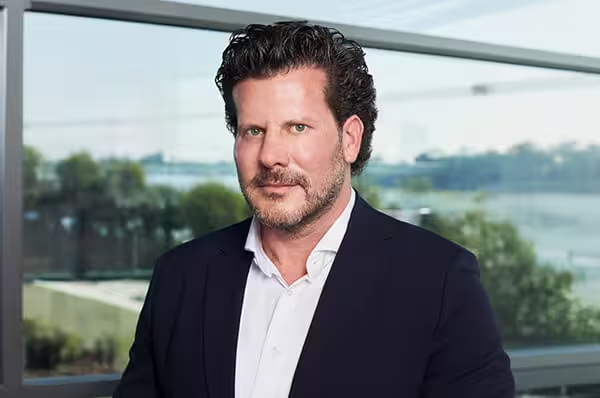
Michael Rainer
Rechtsanwalt, Founder & CEO
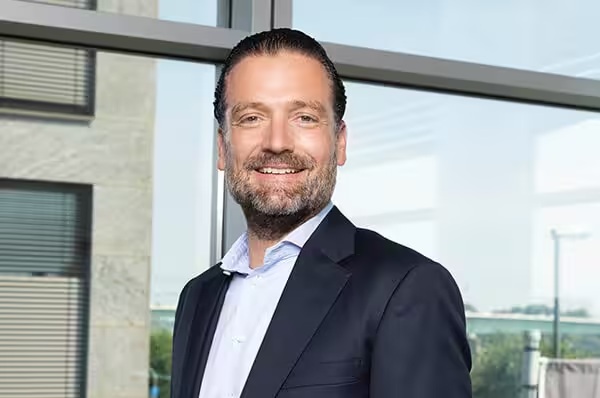
Marc Klaas
Rechtsanwalt, Partner

Michael Below
Rechtsanwalt, LL.M., Salary Partner



Berlin
Cologne
Hamburg
Düsseldorf
Frankfurt
Munich
Stuttgart
Leipzig
Local. Regional. International.
Who Should Consider a gGmbH
Typical Applications and Clients at a Glance
Social Enterprises and Social Entrepreneurs
For social enterprises and social entrepreneurs, establishing a nonprofit GmbH is particularly attractive. This legal form allows for the management of social and ecological initiatives within a clear legal framework. A central challenge in the establishment is meeting the nonprofit requirements to ensure that the gGmbH can enjoy tax benefits. By establishing a gGmbH, social entrepreneurs can also build trust with sponsors and partners, as the legal form provides a clear purpose commitment. In Regensburg, this can be an important step to sustainably promote local social projects.
Educational Institutions and Language Schools
Educational institutions and language schools benefit from the nonprofit GmbH by expanding their educational offerings in a targeted manner. The particular challenge lies in drafting the statutes to secure nonprofit status and overcome tax hurdles. By choosing this legal form, educational institutions can use their resources more efficiently and strengthen public trust. Additionally, the gGmbH allows for transparent use of funds, which is especially advantageous when applying for grants. This is crucial to financially secure long-term educational projects.
Cultural Projects and Art Initiatives
For cultural projects and art initiatives, the gGmbH offers a suitable structure to realize and promote creative projects. Especially for initiatives dependent on public funding, nonprofit status is beneficial. By carefully drafting the statutes, the conditions for tax benefits and grants are met. The gGmbH allows for targeted reinvestment of income into projects, creating a sustainable financial foundation. In a city like Regensburg, known for its cultural heritage, this can facilitate access to regional and national funding.
NGOs with Commercial Activities
NGOs engaged in commercial activities find in the gGmbH a suitable legal form to combine their economic and nonprofit goals. The challenge lies in maintaining nonprofit status despite economic activities. With a strategically crafted statute, the gGmbH can utilize tax benefits while generating income from commercial activities. This structure offers the advantage of reinvesting commercial profits into nonprofit projects. This allows NGOs to enhance their impact and secure their projects in the long term while retaining their nonprofit status.
MTR Legal's Approach to gGmbH Establishment Mandates
How MTR Legal Structures and Achieves gGmbH Establishment Mandates
Establishing a nonprofit GmbH (gGmbH) is of great importance for many social entrepreneurs as it provides a legal basis to sustainably pursue social, cultural, or educational projects. In a dynamic environment like Regensburg, known for its industrial strength, the gGmbH offers a way to combine social engagement with entrepreneurial principles. This is particularly important as the legal requirements for nonprofit status and the associated tax benefits require careful planning and implementation.
MTR Legal takes a systematic approach to efficiently establish a gGmbH. Initially, the individual starting position of the client is analyzed in an initial meeting. Based on this, the team develops a tailored strategy that considers all relevant aspects. Particularly important are the requirements for the statutes, which must comply with the criteria of §§ 51 ff. AO (Fiscal Code). The tax hurdles should not be underestimated, as only a proper statute can ensure the recognition of nonprofit status by the tax office. The careful drafting of these documents directly impacts the tax treatment of the gGmbH.
For the client, support from MTR Legal means they can focus on the substantive aspects of their projects while the legal and administrative hurdles are professionally managed. The establishment process typically takes several weeks, depending on the complexity of the project. MTR Legal accompanies you from the idea to the successful recognition of nonprofit status, ensuring that your social vision is implemented in legally secure paths.
Need Legal Assistance?
MTR Legal Regensburg offers professional legal advice. Let’s find the best solution together.
Common Mistakes in Establishing a gGmbH: What Clients Should Avoid
What Clients Often Overlook Without Legal Guidance
Establishing a nonprofit GmbH (gGmbH) is particularly important for social entrepreneurs and NGO founders in Regensburg, as it provides a suitable legal form to effectively implement social, cultural, or educational projects. However, without sound legal advice, unexpected problems can arise that jeopardize the initiative's success. Many founders underestimate the complexity of nonprofit requirements and statute drafting. Especially in an economically dynamic region like Regensburg, characterized by both its industry and cultural significance, inadequate preparation can have significant consequences.
A central risk in establishing a gGmbH lies in the precise drafting of the statutes. These must meet the nonprofit requirements as regulated in § 52 AO. Clients often make mistakes in formulating the nonprofit purposes or overlook the requirements for asset dedication in the event of the gGmbH's dissolution. Furthermore, the tax treatment is a critical point. If nonprofit status is not recognized due to faulty statute drafting, tax advantages may be lost. This can lead to significant financial burdens. Another problem area is compliance with the use of funds accounting, which must accurately document that funds are used exclusively for the purposes outlined in the statutes.
For clients, this means that legal guidance in establishing a gGmbH is essential to meet specific requirements and minimize risks. The team at MTR Legal supports you in drafting legally secure statutes and fulfilling nonprofit requirements. Through professional advice, you can ensure that your gGmbH is built on a solid legal foundation from the start and that the desired tax benefits can be claimed.
Process and Timeline: Establishing a gGmbH Step by Step
Phases, Deadlines, and Documents — Structured Overview
Establishing a nonprofit GmbH (gGmbH) requires a structured process. Initially, a company agreement must be created that clearly defines the nonprofit goals. Following the notarization, registration in the commercial register is required. Simultaneously, nonprofit recognition must be applied for at the competent tax office. This process can take several weeks. Required documents include the company agreement, shareholder list, and founding protocols. Timely planning is essential to meet deadlines and quickly establish the gGmbH.
In the legal context, the establishment of a gGmbH is subject to specific regulations as set out in the GmbHG. For nonprofit recognition, the provisions of the Fiscal Code (§§ 51 ff. AO) are also crucial. Timely submission of documents to the tax office is essential to obtain nonprofit status. This status brings tax benefits but requires regular review and proof of fund use for the specified nonprofit purposes.
For founders in Regensburg, it is advisable to seek legal advice early to efficiently structure the establishment process. Our attorneys assist you in preparing the necessary documents and guide you through the entire establishment process. Precise planning and compliance with all legal requirements are crucial for the successful establishment of your gGmbH.
Have Questions?
Our team in Regensburg of experienced attorneys is ready to address your legal concerns. Book your callback now!
Frequently Asked Questions about Establishing a gGmbH
Concise Answers to Common Questions about Establishing a gGmbH
What requirements must a gGmbH meet to be recognized as nonprofit?
To be recognized as nonprofit, a gGmbH must meet certain legal requirements. These are primarily regulated in the Fiscal Code. The purpose of the gGmbH must be recognized as nonprofit, charitable, or religious. Additionally, the company agreement must meet strict requirements, particularly regarding asset use and profit distribution. Careful drafting of the statutes is crucial to obtain recognition from the tax office and secure tax benefits.
When is establishing a gGmbH advisable?
Establishing a gGmbH is advisable when you, as a social entrepreneur or NGO founder, plan an organization for social, cultural, or educational purposes. The gGmbH combines the organizational structure of a GmbH with the tax benefits of nonprofit status. It is particularly suitable if you desire clear liability limitation while benefiting from tax reliefs. A gGmbH can also facilitate access to grants and donations, which is especially advantageous for nonprofit projects.
What costs are involved in establishing a gGmbH?
Various costs are involved in establishing a gGmbH. These include notary fees for notarizing the company agreement, registration in the commercial register, and potential fees for tax advice on nonprofit status. Adapting the statutes to nonprofit requirements can also incur additional costs. Overall, founders should expect a cost in the lower four-digit range, depending on individual requirements and the complexity of the statute drafting.
How does the recognition of nonprofit status proceed?
The recognition of nonprofit status is carried out by the competent tax office. After establishment, the gGmbH submits its statutes and other documents for review. The tax office checks whether the requirements according to the Fiscal Code are met. Upon positive review, the gGmbH receives a tax exemption notice confirming nonprofit status. This recognition is subject to regular review, as the gGmbH must continue to meet legal requirements to retain nonprofit status and the associated tax benefits.
Running a gGmbH: Nonprofit Report and Documentation Obligations
Key Aspects of Running a gGmbH at a Glance
For social entrepreneurs and NGO founders in Regensburg operating a nonprofit GmbH (gGmbH), ongoing management and proof of nonprofit status are crucial. A gGmbH must regularly demonstrate that it pursues its nonprofit purposes and does not distribute profits to shareholders. These requirements are critical to maintaining nonprofit status and securing tax benefits. In an economically dynamic environment like Regensburg, where industries thrive, it is even more important to clearly define and communicate nonprofit goals to distinguish from purely profit-oriented companies.
The documentation obligations for a gGmbH particularly include the nonprofit report, which details how the gGmbH's funds are used. The requirements from the Fiscal Code (§ 51 AO) must be observed, providing clear guidelines on fund use and documentation. Practical consequences for the gGmbH include preparing an annual financial statement specifically tailored to nonprofit activities and reports on fulfilling statutory purposes. Incorrect or incomplete reports can result in the loss of nonprofit status, leading to significant tax disadvantages.
For founders and those responsible, this means they must continuously engage with legal requirements. MTR Legal offers comprehensive advice to ensure all legal obligations are met. Our teams provide legal support in this complex area to secure nonprofit status and thus ensure the gGmbH's continued existence. This allows clients in Regensburg to focus on their nonprofit tasks while we keep an eye on the legal framework.